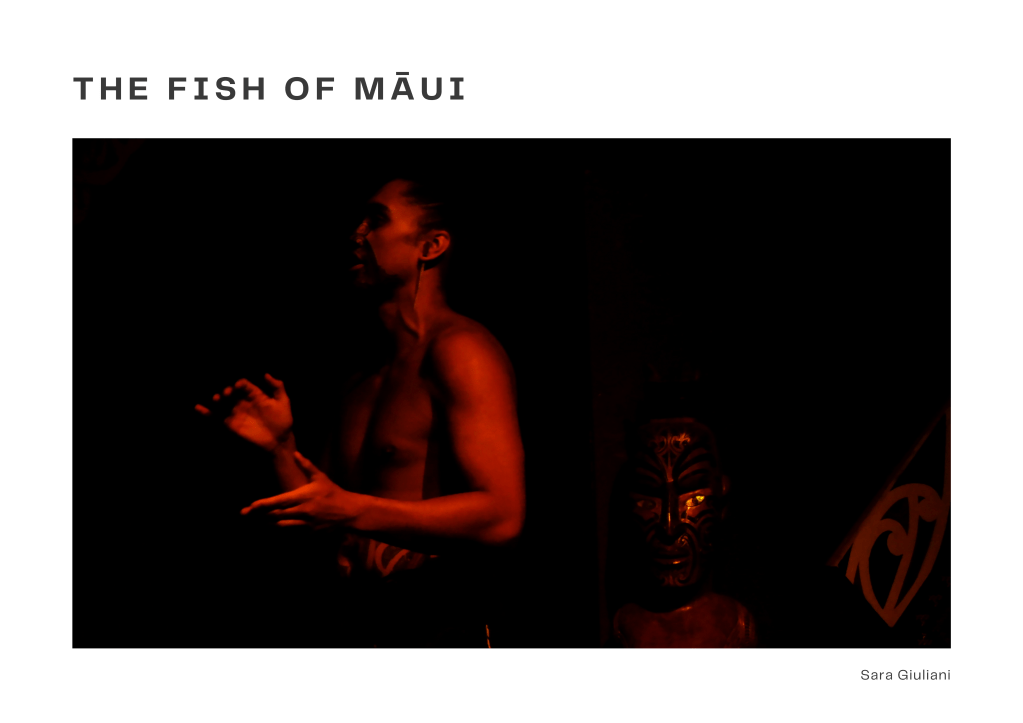
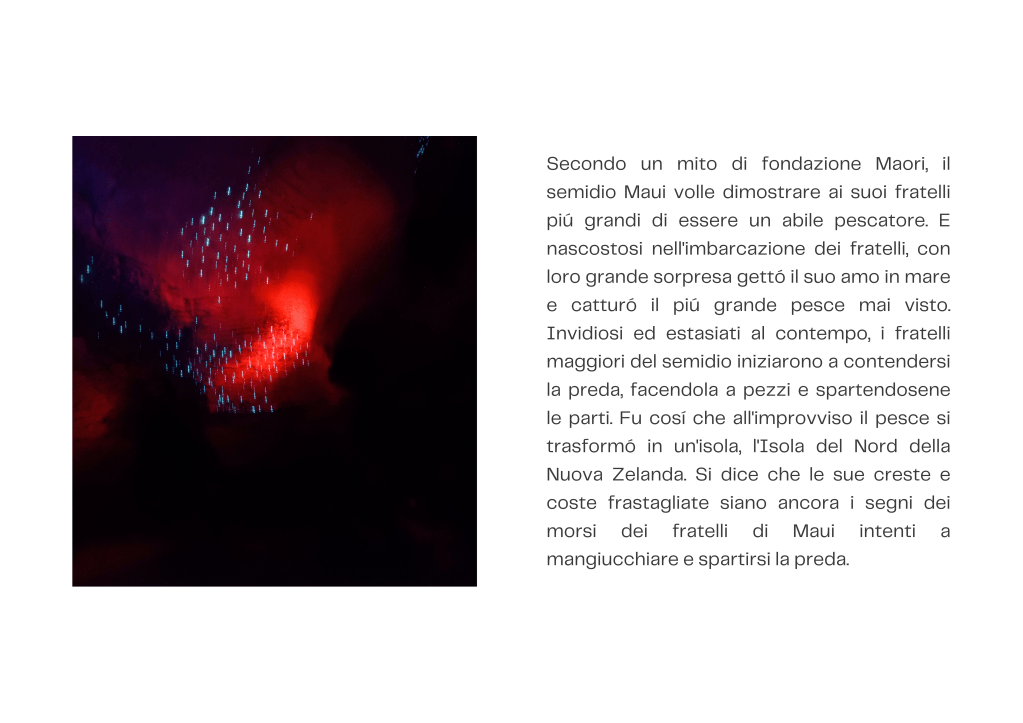
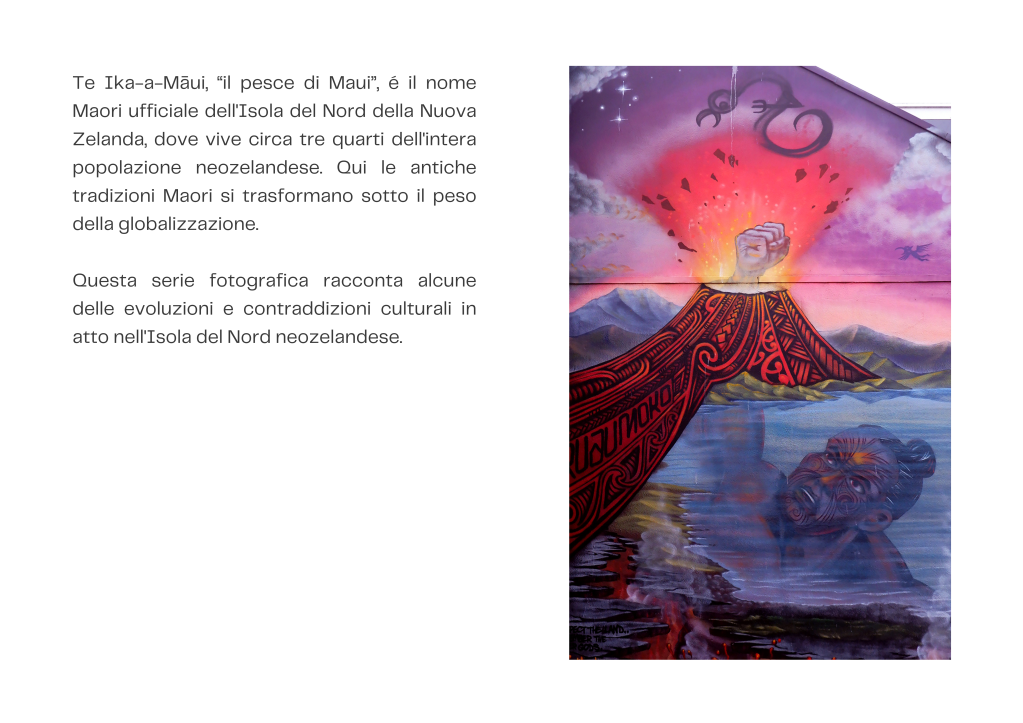
Te Ika-a-Māui, “the Fish of Māui”, is the official Maori name for the North Island of New Zealand where almost three quarters of the New Zealand’s population currently live. According to the Māori mythology, the demigod Māui decided to prove his older brothers he was a great fisherman and pulled out from the sea the greatest fish ever caught. When his brothers started chopping at the big fish and fighting over it, the creature suddenly became an island, the North Island, whose name derived from Māui’s incredible catch.
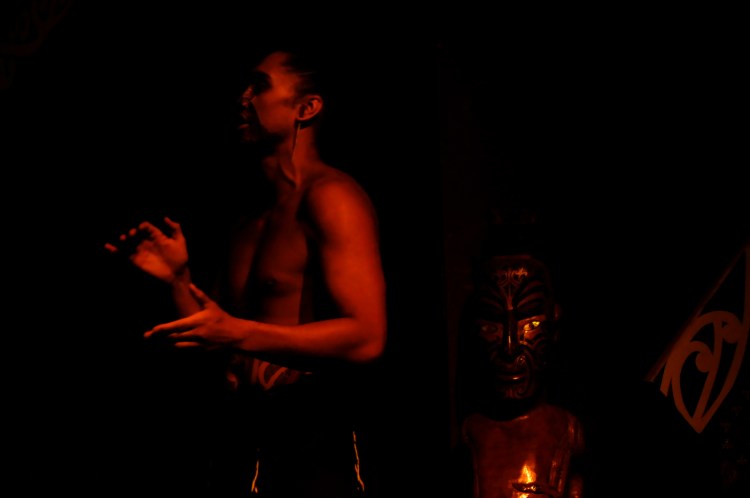
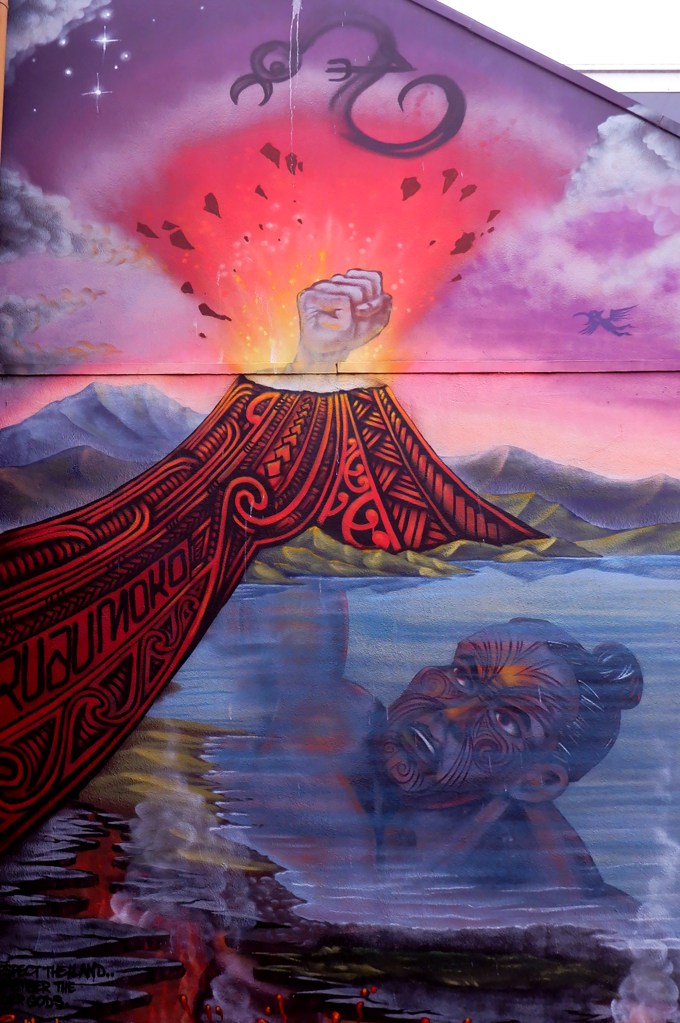
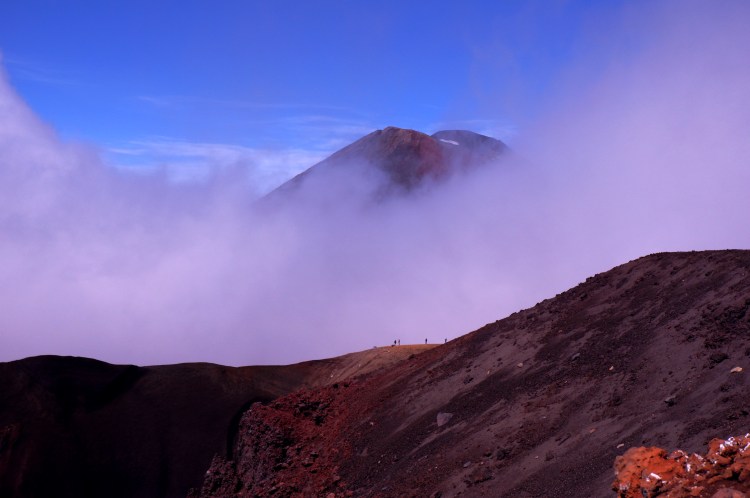
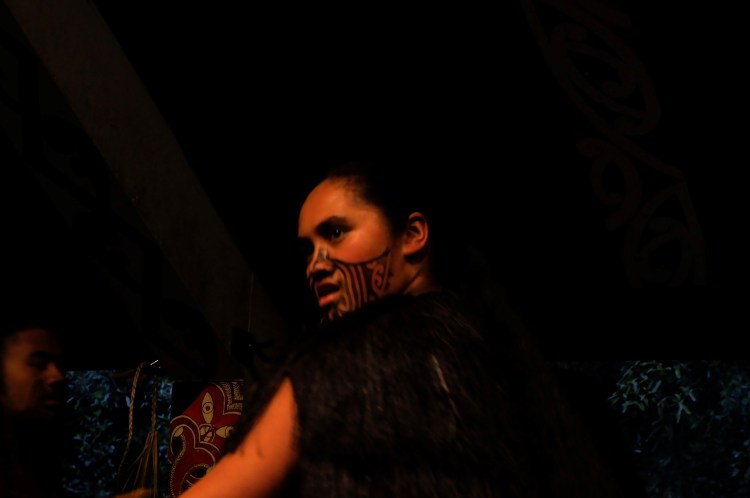
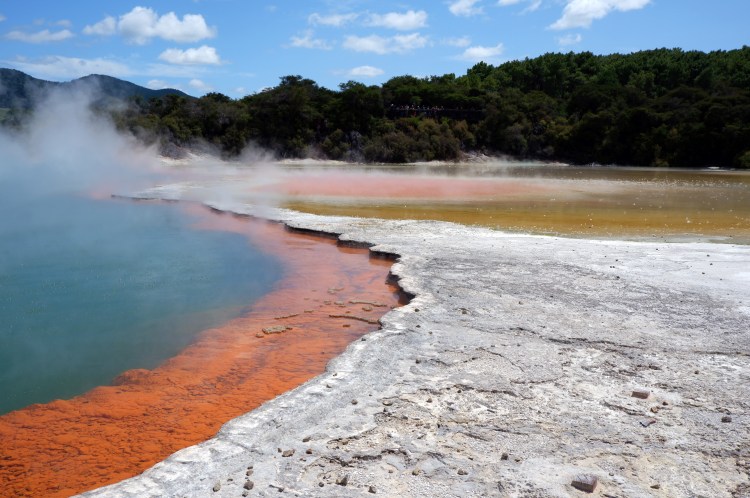
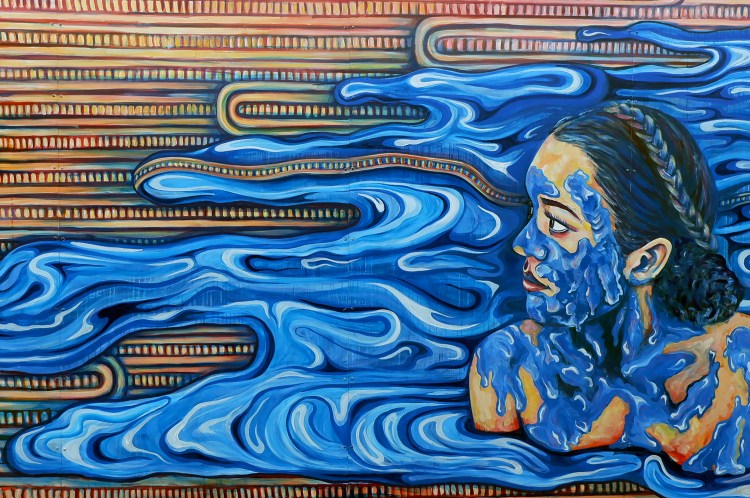
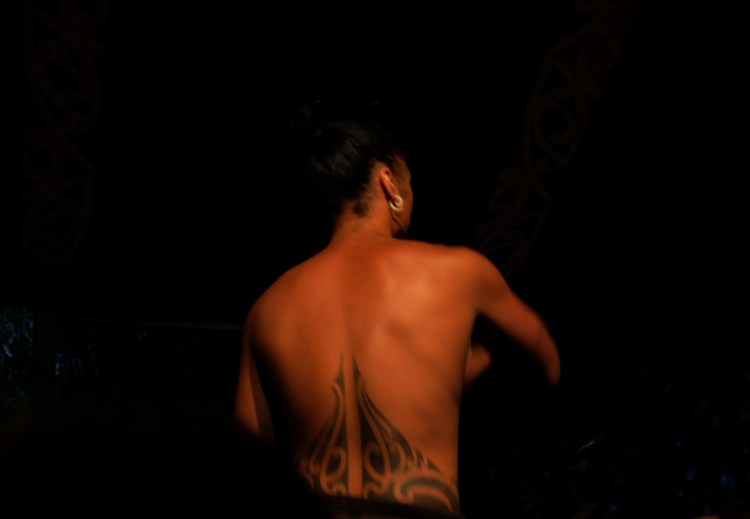

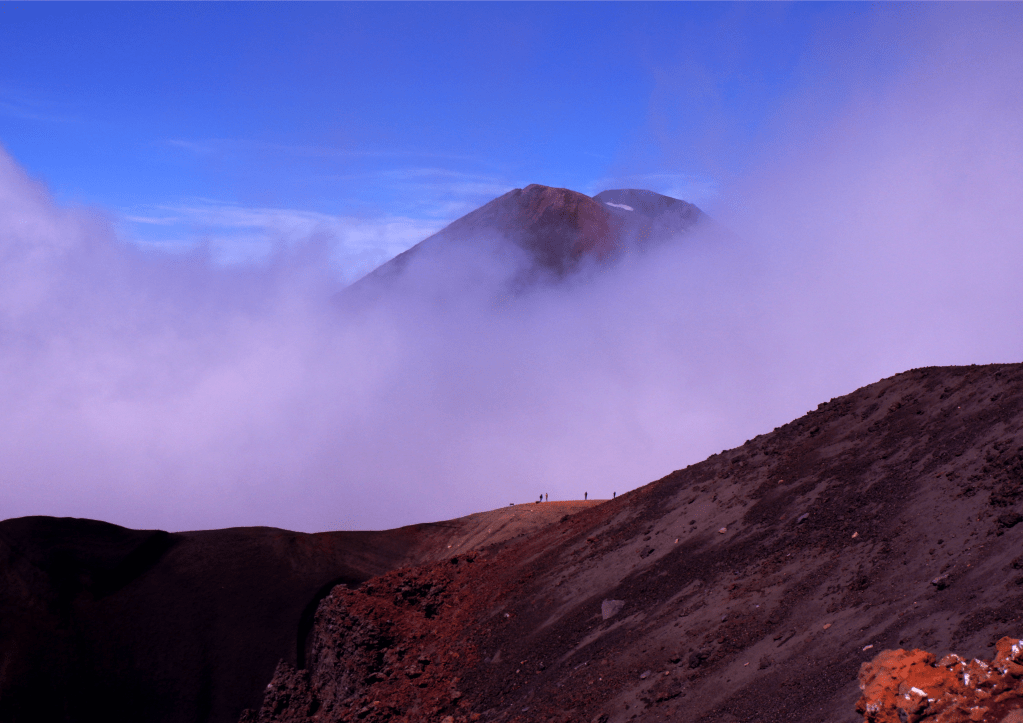
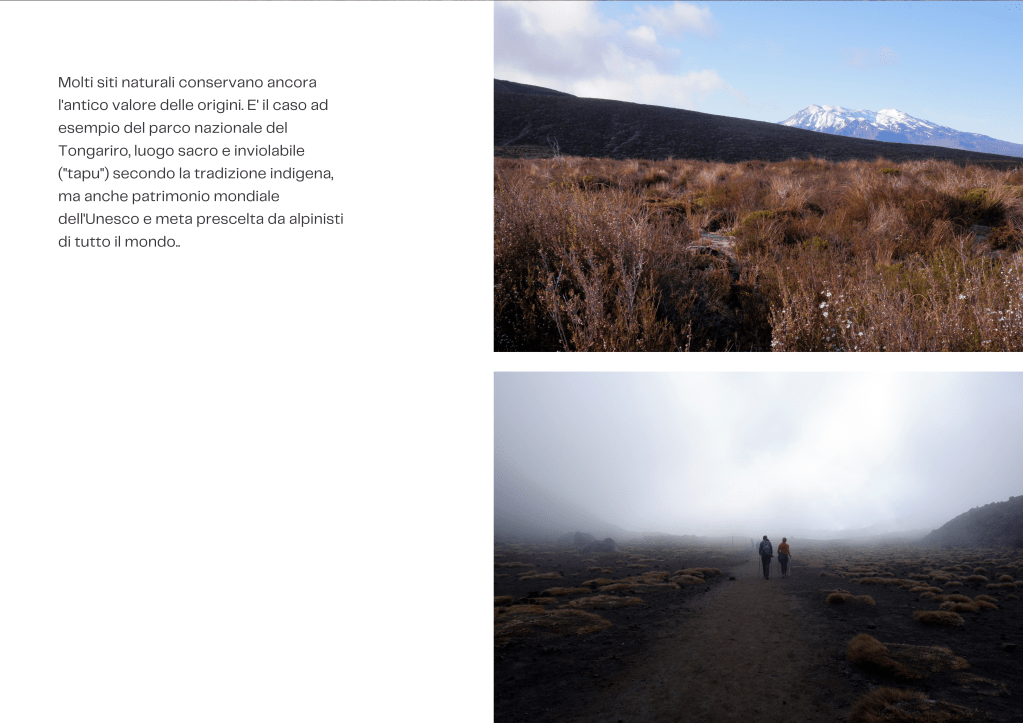
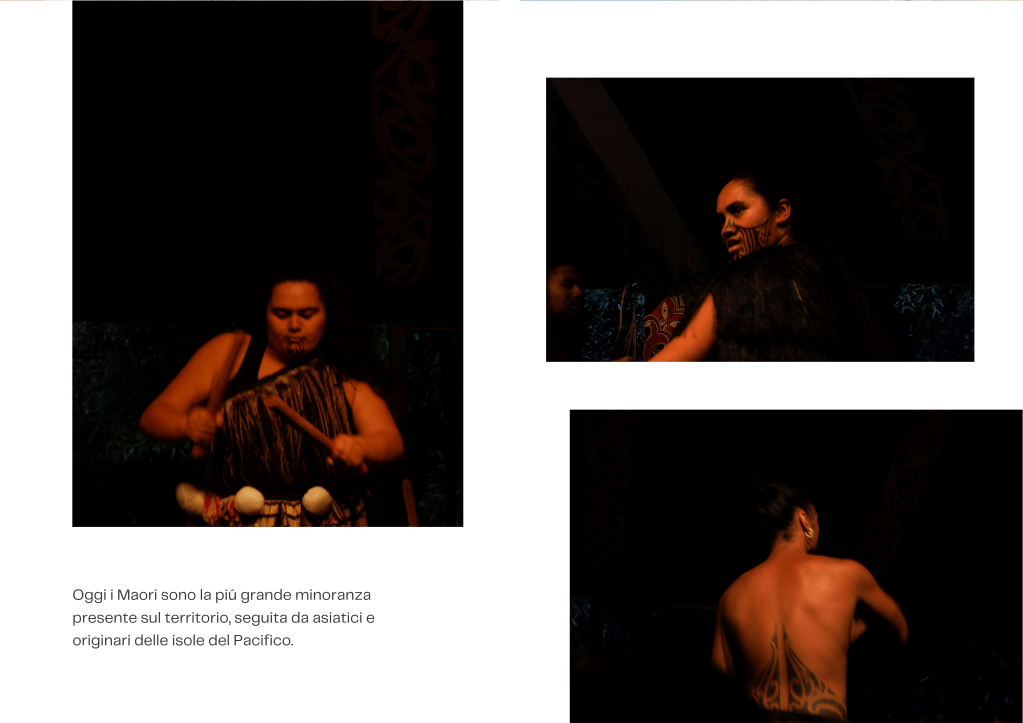
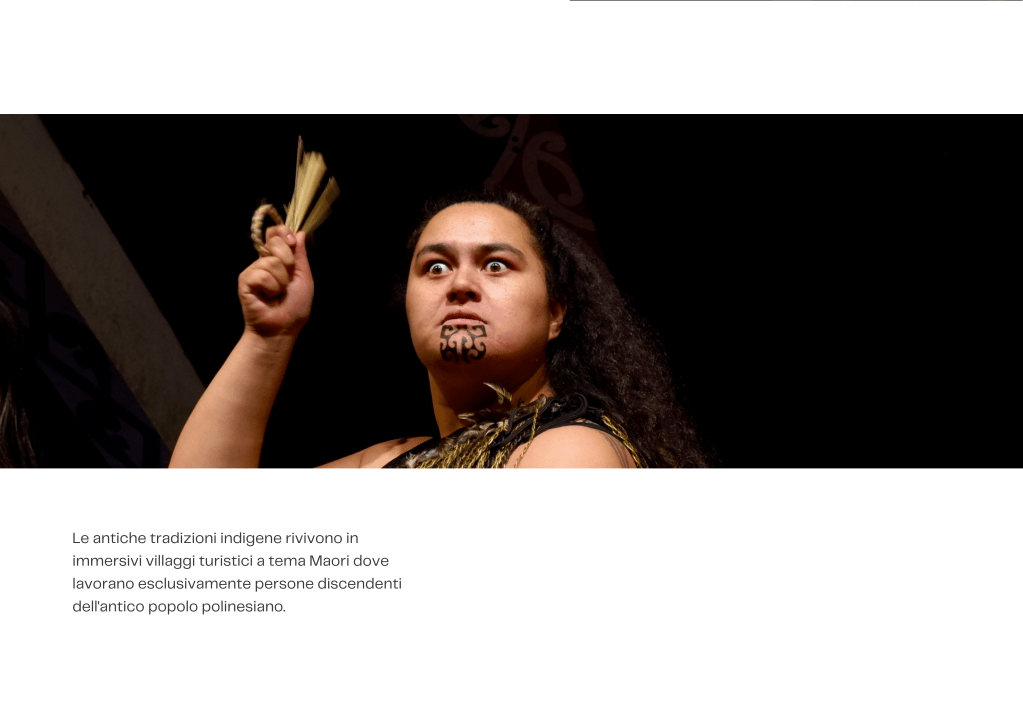
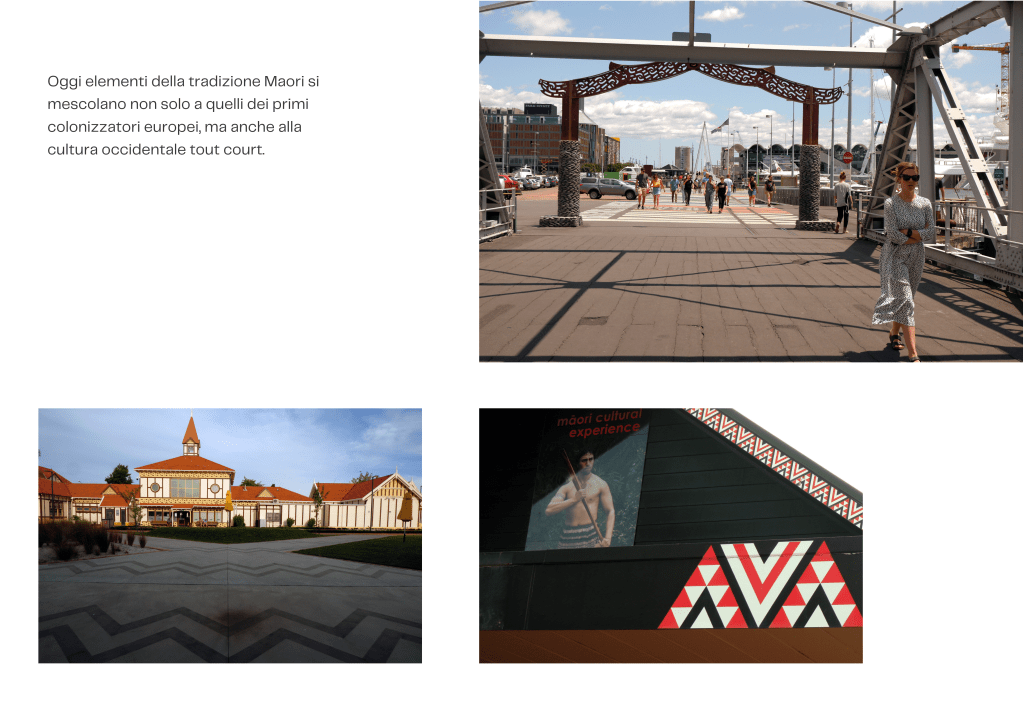
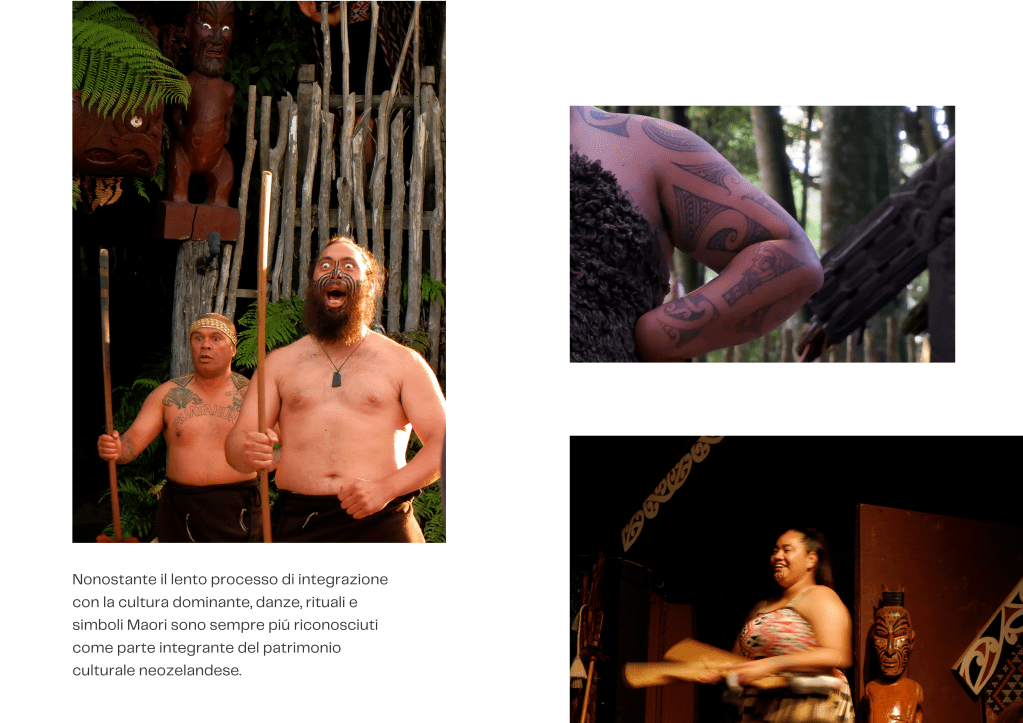
Today Te Ika-a-Māui is the most populated island of New Zealand with the vast majority of residents descending from Europeans and the Māori being the largest minority in the country followed by Asians and Pacific Islanders. Here the indigenous local traditions are blended not only with the ones of the early British colonisers, but also with the contemporary Western world and the other ethnic groups present in the territory. Despite the impact of globalization, which is evident in cities like Auckland and in the flourishing of immersive touristic Māori village experiences that attract many tourists from all over the world, several natural sites still conserve the sacred value of the origins.
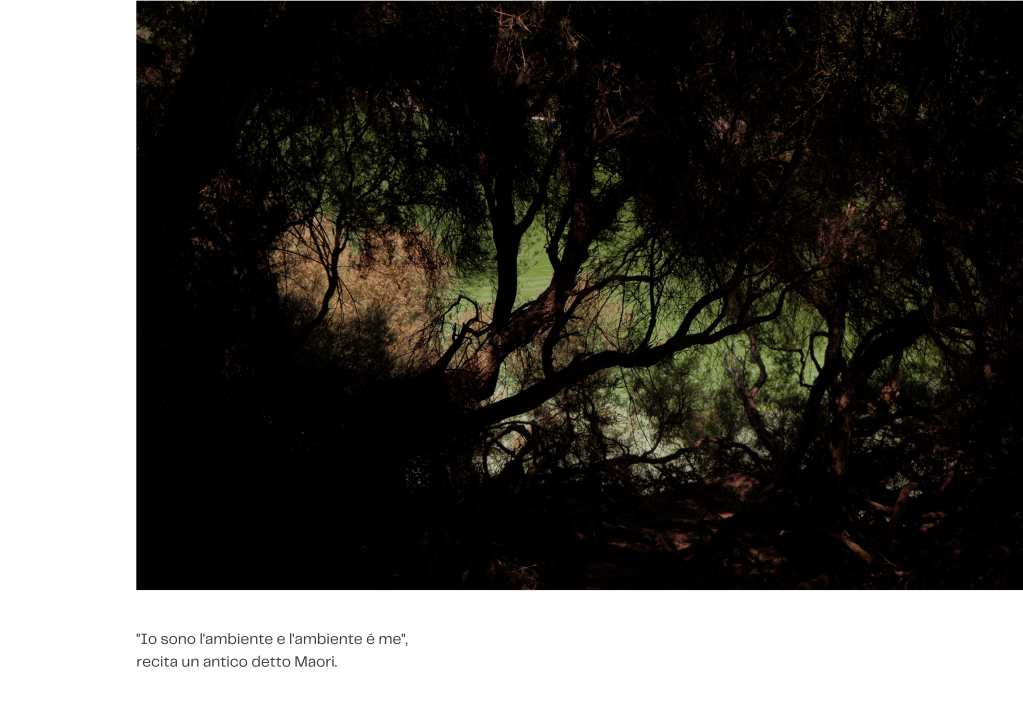
“I am the environment and the environment is me” says an ancient Māori proverb that sounds now more valid than ever. Nature is not only the pillar of the indigenous knowledge and values, but also an urgent item on top of the NZ government’s agenda. Urban growth, land and native biodiversity loss, climate change, pollution are some of the key priority issues outlined by Environment Aotearoa 2019, an annual report produced by the Ministry for the Environment.




© 2023 Sara Giuliani. All rights reserved.
 sara giuliani